TL;DR. The EU AI Act’s requirements for traceability, logging, and human oversight describe what serious engineering already does. Horizontal AI tools were not built to meet them. Specialized AI for Engineering built on deterministic workflows already does. The audit conversation arrives in 2027, but the security questionnaires from your downstream customers are arriving this quarter. The Act is telling you, in legal language, what good engineering with AI was always going to have to be.
The first time I read the EU AI Act in full, I thought the parts that would matter to an engineering organization were the ones about safety components on regulated products. That is what most of the early commentary pointed at. Eight months later, after a couple of dozen customer conversations and one long sit-down with a procurement officer who knew the regulation better than I did, I think I was wrong about which parts matter.
The parts that matter to a head of engineering, or a director of R&D running a CAD-and-simulation pipeline, are the ones that almost nobody is talking about. They are not in the high-risk section. They are in the requirements for traceability, for record-keeping, for human oversight, and for data governance. Those are the requirements your engineering tooling will need to meet, regardless of whether any one workflow inside it ever gets classified as high-risk.
What the Act asks of AI in engineering
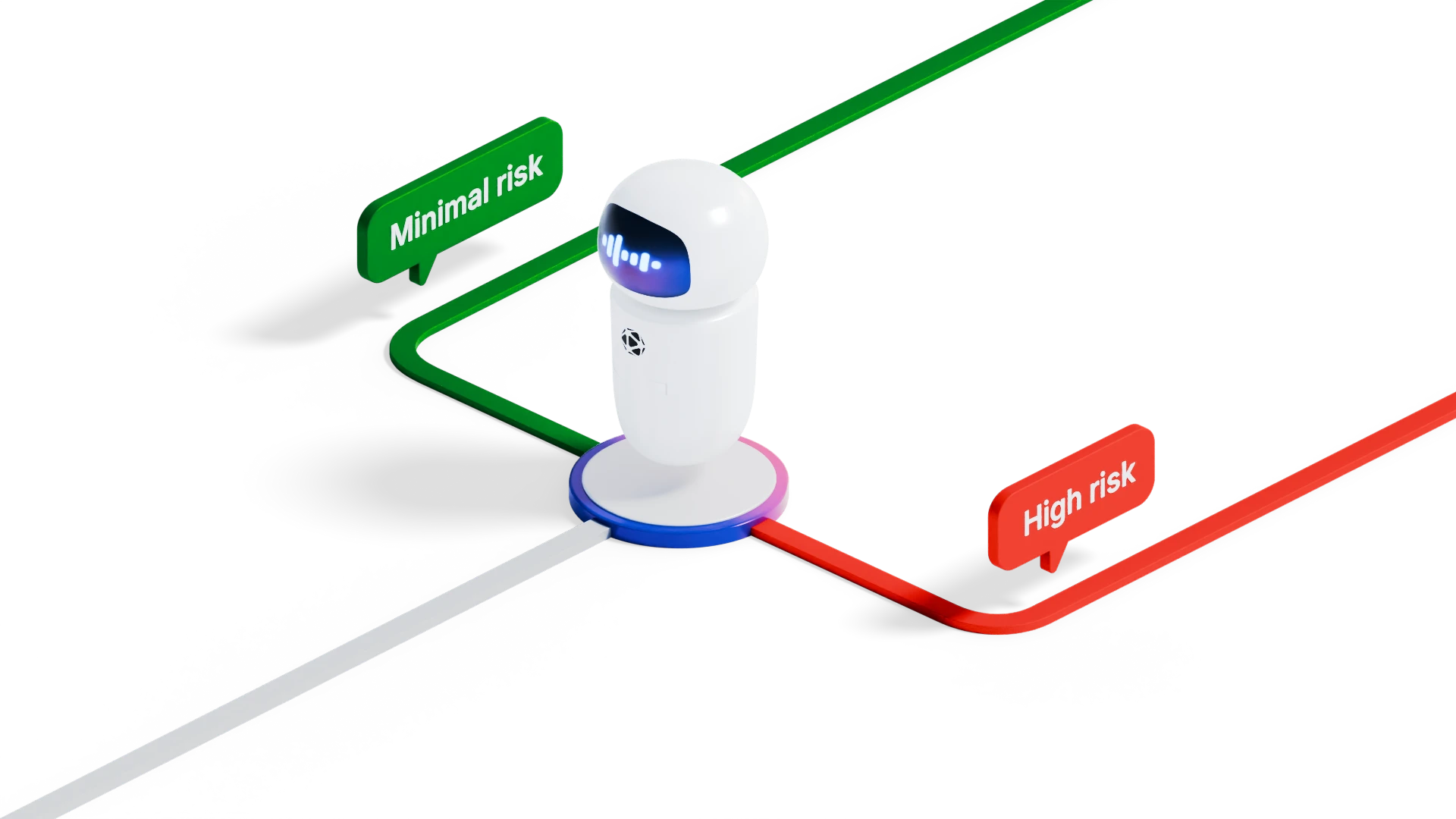
The Act is built around a four-tier classification, and the highest tier (prohibited) and the second (high-risk) are where most of the attention goes. Most R&D engineering workflows will sit below those, in limited-risk or minimal-risk territory. That is reassuring on the first read, and a little misleading on the second.
It is misleading because the requirements on high-risk systems are the same requirements you should already want to meet, even where the law doesn’t require them of you:
- Article 9 wants a documented risk management process across the lifecycle.
- Article 10 wants the data the system uses to be relevant, representative, and traceable.
- Article 11 wants technical documentation that lets a regulator reconstruct what the system does.
- Article 12 wants every execution logged and retrievable for at least six months.
- Article 13 wants users to understand the system’s output and its limits.
- Article 14 wants designed-in human oversight at the checkpoints that matter.
These six requirements, without the regulatory language around them, are a description of good engineering practice. The Act is not, in this register, imposing something foreign on engineering. It is writing down what serious engineering already does, and asking everyone else to catch up.

Where horizontal AI tools will struggle
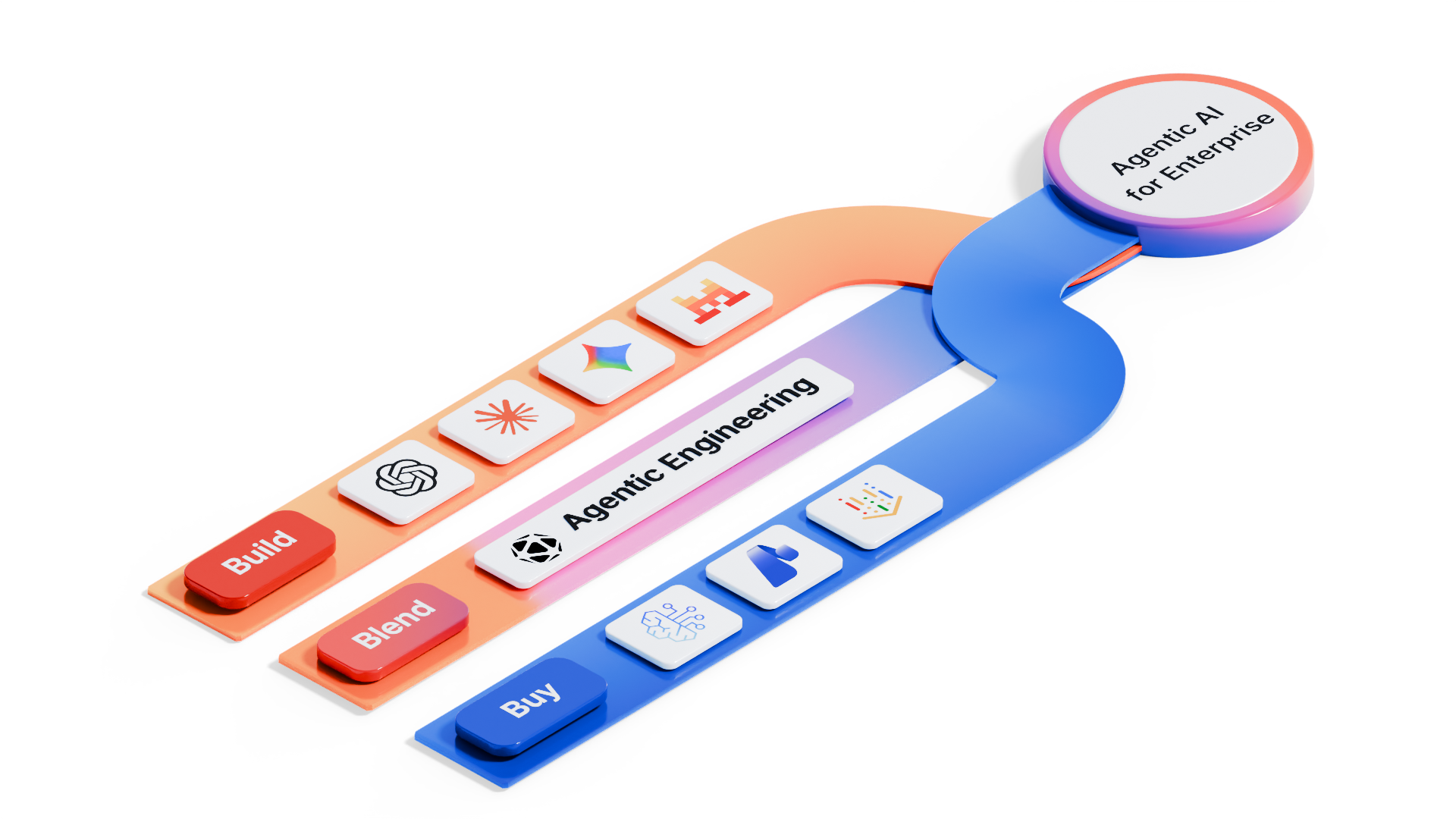
AI for the enterprise comes in two shapes. Horizontal AI tools are the general copilots that sit in a browser tab and try to be helpful across any task. Vertical AI tools are specialized platforms built for a single domain, in our case engineering, where the workflow itself is the product.

The tools your engineers are already using on their browser tab were not built for any of this. They were built to be helpful at the point of use, not to be reconstructible afterwards.
That gap shows up in three places. The data lineage breaks the moment the tab closes. The interaction model does not ask for evidence of human oversight, because the model is the assistant and the human is the user, not the other way around. And the technical documentation a regulator would want is replaced by a chat history.
The Samsung incident, in which semiconductor engineers turned chip-yield-test data into training data overnight by pasting it into a public chat tool, was the early signal. The wave of enterprise bans that followed was not panic. It was the recognition that the default behavior of these tools is the wrong default for engineering data.
None of this means horizontal copilots become unusable. It means their natural place in an engineering organization is alongside the regulated decisions, not inside them. Used for brainstorming, for first-pass summaries, for code snippets the engineer will rewrite anyway. Not used inside the workflow that ends with a part going into a vehicle.
What an "auditable digital thread" actually has to mean
The phrase "auditable and traceable digital thread" gets used so loosely in engineering software marketing that it has, for many engineering leaders I speak with, become content-free. It is worth being specific about what the phrase has to mean if it is going to survive the Act.
It means the:
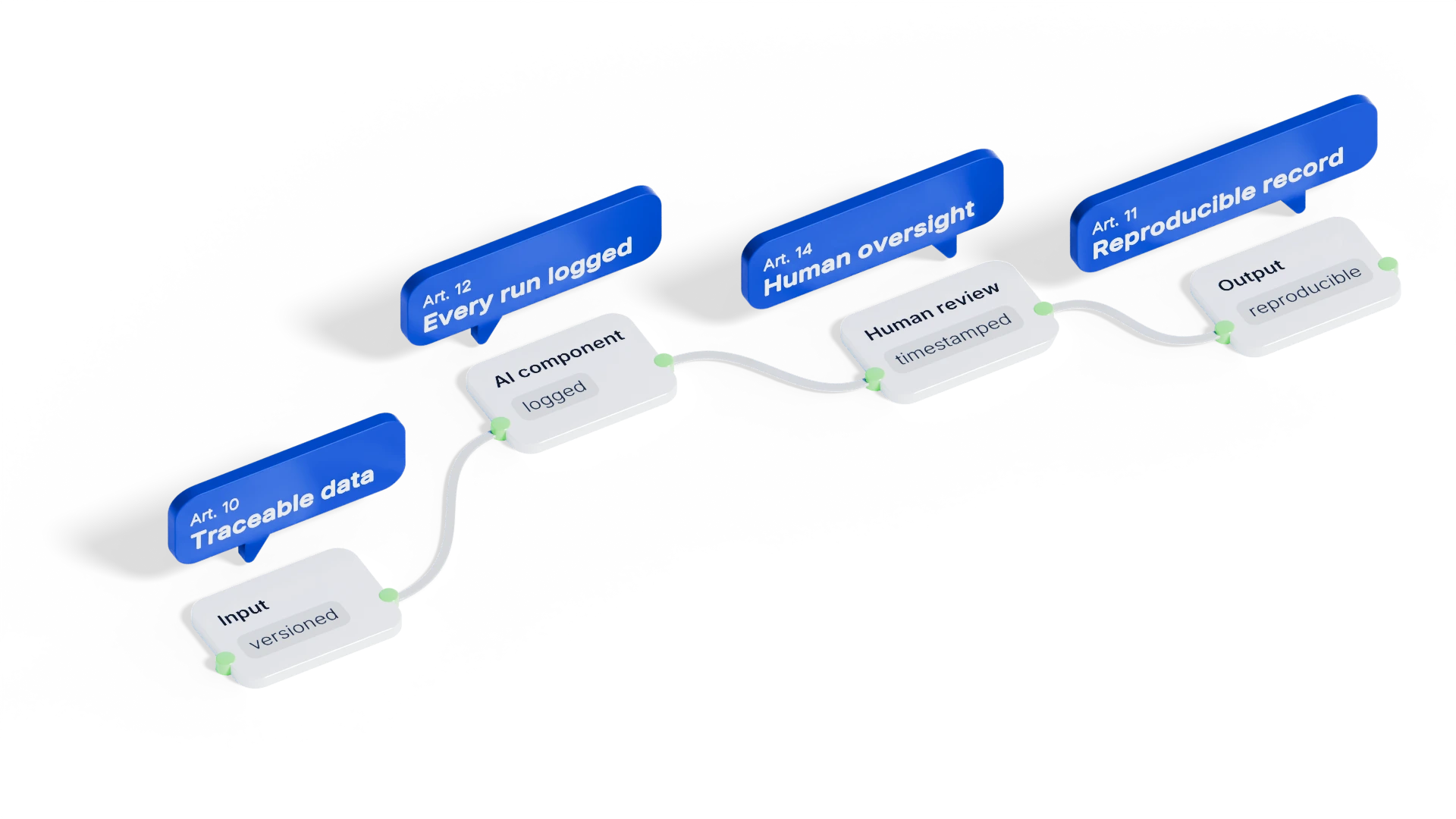
- Inputs to every decision are versioned and retrievable.
- AI components inside the workflow are named, versioned, and recorded in the run log, alongside the deterministic components.
- Human in the oversight role is identified, and the moment of their review is timestamped.
- Output is reproducible from the inputs and the workflow definition, not from a chat scroll back.
- Entire trace is retainable for at least six months, which is the floor the Act sets in Article 12 and which most engineering organizations will want to extend.
That is what an auditable digital thread has to mean. Anything less is incomplete.
Why Synera already meets the Act
Synera was built before the Act was final. The architecture it ended up with maps to the Act’s requirements unusually well, because the constraints that drove it (engineering trust, reproducibility, customer data residency) turned out to be the same constraints the regulators were converging on:
- The platform’s visual workflows are node-based, which means every step is explicit and inspectable. The workflows are the technical documentation Article 11 wants, because they describe exactly what the system does.
- Every workflow run produces a versioned artifact, which is the record Article 12 asks for, because the record-keeping is not a logging system bolted on but a property of how the platform executes.
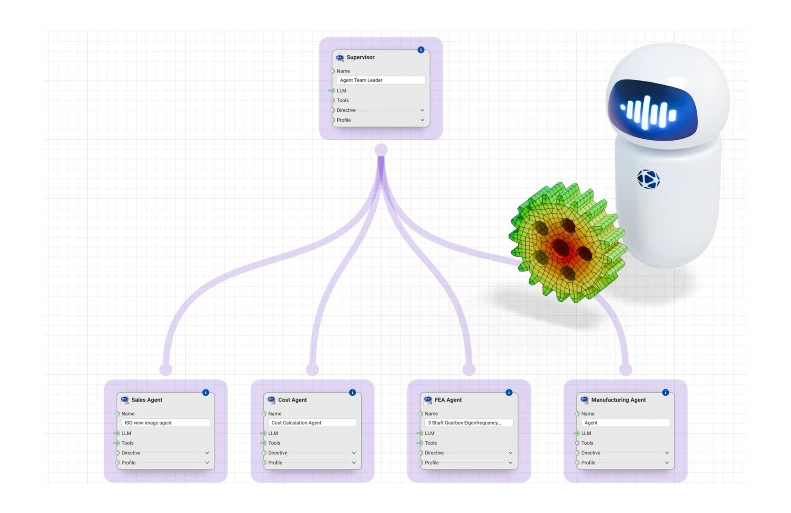
- The agentic AI capabilities operate inside the workflows, at the specific points where interpretation is needed. The deterministic engineering process is the orchestrator. The large language model (LLM) is one tool inside it. That arrangement is what makes Article 14’s “designed for human oversight” a default rather than a retrofit.
Customer data stays inside the customer’s existing tool landscape (CATIA, NX, SolidWorks, Ansys, Abaqus, and seventy others). It is not piped into a foundation model’s training corpus, which is the Article 10 question stripped of regulatory language. And Synera’s TISAX Level 2 certification, which is the German automotive sector’s information security standard, is the closest existing evidence base for the kind of data governance the Act now asks of every engineering AI provider.
The Act asks, can you reconstruct what happened? Engineering already asks, can you reproduce a result? The architecture that answers one, answers both.
What aerospace and automotive leaders should do this quarter
The operative deadlines sit in 2027 and 2028, but the audit conversation has already begun in a softer form, as the security questionnaires are arriving from our customers this quarter. Where does our data sit? What gets logged? Who oversees the AI? How will you evidence it?
The vendors who can answer those four questions with a straight back are the ones whose AI solution roadmaps in 2027 will be about features. The ones who cannot will spend 2027 retrofitting compliance into a product whose architecture was built around a different set of assumptions, which is a slow and expensive piece of work to be doing in parallel with whatever your engineering organization actually needs from them.
The deeper move is to realize that the Act is, in this sense, less of a constraint than a clarifier. It is telling you, in legal language, what good engineering with AI was always going to have to be. The teams that internalize this earliest will not be the ones with the cleanest binder when the auditor arrives. They will be the ones whose engineers, in two years, are still doing engineering, because the tooling beneath them was built to survive.
About the Author:

Ram Seetharaman
Head of AI
Ram Seetharaman is Head of AI at Synera, leading the company's multi‑agent and agentic AI initiatives that are redefining how engineering teams design, simulate, and automate complex products. With a background in Computational Mechanics from the University of Stuttgart and five years applying ML and AI to engineering workflows, he bridges deep technical R&D and product strategy. At Synera, he owns AI strategy, roadmap, and implementation, translating domain expertise into AI‑driven workflows that accelerate simulation, design-space exploration, and automation at scale.
Before Synera, Ram contributed to award‑winning motorsport and aerospace projects as a Digital Twin and structural optimization engineer, became a World Champion in 2023, and worked at Volocopter on safety‑critical battery crash simulations.